📞  — free, 24/7
— free, 24/7 — free, 24/7Products that help with falling asleep, staying asleep, or adjusting sleep cycles. Includes over-the-counter and prescription medications, melatonin and other supplements, short-term sedatives and antihistamine-based nighttime options for occasional insomnia or jet lag.
Products that help with falling asleep, staying asleep, or adjusting sleep cycles. Includes over-the-counter and prescription medications, melatonin and other supplements, short-term sedatives and antihistamine-based nighttime options for occasional insomnia or jet lag.
Sleep Aids refers to a broad group of products intended to help people fall asleep, stay asleep, or improve sleep quality when they are having difficulty. The category covers both prescription medications and over‑the‑counter options as well as some natural or supplement-based remedies. These products are used to address a range of sleep disturbances, from occasional sleepless nights to more persistent problems, and are selected based on the nature and duration of sleep difficulty.
Common use cases include short-term insomnia related to stress, travel, shift work or temporary changes in routine, as well as longer-term sleep issues that some people experience nightly. Some individuals look for quick-onset remedies to manage acute sleeplessness, while others seek treatments intended for chronic sleep maintenance. Sleep aids are often part of a broader approach to improving sleep, and different products are aimed at different patterns of difficulty, such as difficulty initiating sleep versus waking repeatedly during the night.
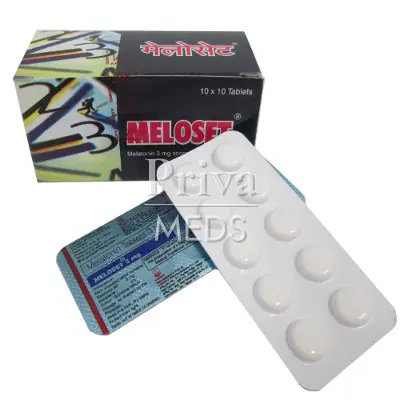
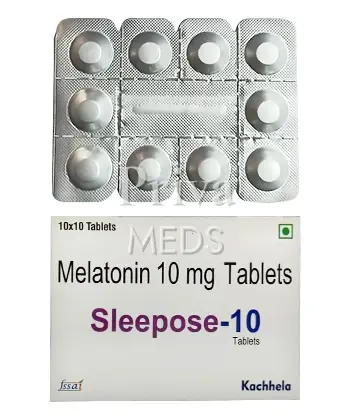
Medications and products in this category fall into several groups. Prescription hypnotics and sedative agents are designed specifically to induce or maintain sleep, while certain antidepressants and antipsychotics have sedating properties and may be used off-label for sleep in some cases. Over-the-counter options commonly include antihistamines and melatonin-based supplements or melatonin receptor agonists. Examples of products people may encounter include names such as meloset and restfine, as well as others like fulnite, hyplon, hypnite, sleepose and toficalm, representing a variety of formulations and mechanisms.
Safety considerations are an important part of choosing any sleep aid. Many sleep-promoting compounds can cause next-day drowsiness, impaired coordination or memory effects for some users, and certain classes are associated with risks of tolerance or dependence if used regularly. Interactions with alcohol, other medications, or underlying medical conditions can alter effectiveness or increase risks. Because effects and side‑effect profiles differ across products, users commonly review the product information leaflet for warnings and potential adverse effects before use.
When deciding which type of sleep aid to consider, users typically evaluate factors such as how quickly the product works, how long its effects last, formulation (tablet, liquid, or fast-dissolve), and whether a prescription is required. People also look at the likely side‑effects, potential for daytime impairment, and any known interactions with other medicines they are taking. Ease of use, onset and duration of action, and whether the product is intended for short-term or longer-term use are frequent considerations.
Availability and regulatory status vary by product and region; some items are available without a prescription while others require assessment by a prescriber. Many shoppers compare ingredient types, read reviews and information provided on packaging, and consider how a chosen product fits with non‑pharmacological sleep strategies and daily routines. The category is intended to help users find options that match their needs while understanding the general trade-offs between rapid relief, duration of effect and safety considerations.