📞  — free, 24/7
— free, 24/7 — free, 24/7Treatment and support products for mental health conditions such as depression, anxiety, bipolar disorder, schizophrenia and ADHD. Includes prescription and over-the-counter medications, mood stabilizers, antidepressants, antipsychotics, sleep aids, and related care items.
Treatment and support products for mental health conditions such as depression, anxiety, bipolar disorder, schizophrenia and ADHD. Includes prescription and over-the-counter medications, mood stabilizers, antidepressants, antipsychotics, sleep aids, and related care items.
Mental Health covers medicines that act on the brain and nervous system to treat conditions affecting mood, thinking, perception and behavior. These products are used to manage a wide range of psychiatric and neurological symptoms, from low mood and anxiety to psychosis, mood instability and cognitive difficulties. The focus is on restoring functional ability and reducing distress rather than curing a single physical illness, and many agents are intended for long-term use under professional care.
Common use cases include treatment of depressive and anxiety disorders, acute and chronic psychotic illnesses such as schizophrenia, management of bipolar disorder to stabilize mood swings, control of seizure disorders, reduction of excessive daytime sleepiness or attention problems, and support for cognitive symptoms in neurodegenerative conditions. Some medicines in this group are also used for severe behavioral symptoms, agitation, or as adjuncts to other therapies when first-line approaches are not sufficient.
Medications found in the mental health category belong to several pharmacological classes. Antidepressants and anti-anxiety agents act to adjust neurotransmitter levels associated with mood and worry. Antipsychotics target dopamine and related systems to reduce hallucinations or delusional thinking. Mood stabilizers and certain anticonvulsants help prevent extreme mood swings and seizures. Other products include stimulants and wakefulness-promoting agents for attention and sleep-wake disorders, cognitive enhancers for memory problems, and medicines that relieve muscle spasm or address movement disorders linked to neurological disease.
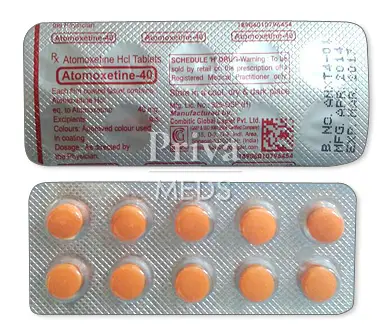
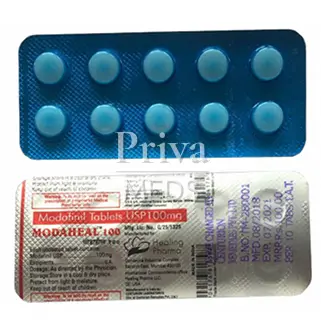
Common examples of medicines used in mental health care range across these classes and illustrate how diverse the category is. Older and newer antipsychotics such as chlorpromazine and clozapine are prescribed for psychosis, while medications like lithium remain a mainstay for long-term mood stabilization. Anticonvulsants such as carbamazepine or primidone can be used for seizure control and as adjuncts in mood disorders. Non-stimulant agents for attention and wakefulness include atomoxetine and modafinil, and drugs aimed at cognitive symptoms include memantine and other agents thought to support memory and thinking. A number of additional agents originally developed for other neurological conditions are also commonly encountered in mental health treatment plans.
Safety considerations are an important aspect of using mental health medicines. Many of these drugs require a prescription, baseline assessments and periodic monitoring because of potential side effects, interactions with other medicines, and specific safety profiles such as impacts on heart rhythm, blood counts, metabolic parameters or movement symptoms. Adherence to prescribed regimens and communication with a healthcare professional about any unexpected effects are typical parts of safe use. Withdrawal and dose-adjustment issues can also arise, so changes are usually managed gradually under supervision.
When selecting products within this category people typically compare factors such as symptom target (for example mood versus attention versus psychosis), expected onset of effect, side-effect profile, dosing schedule and formulation, history of response to similar medicines, and monitoring requirements. Considerations about coexisting medical conditions, potential interactions with other drugs, and practical elements like pill size or frequency often influence choices. Prescriptions and treatment decisions are personalized, reflecting the variety of medications and the different ways they can address mental health needs.