📞  — free, 24/7
— free, 24/7 — free, 24/7Medications and devices for erectile dysfunction, including prescription PDE5 inhibitors such as sildenafil and tadalafil, topical treatments, vacuum erection devices and supportive supplements. Information on dosing, side effects, contraindications and interactions.
Medications and devices for erectile dysfunction, including prescription PDE5 inhibitors such as sildenafil and tadalafil, topical treatments, vacuum erection devices and supportive supplements. Information on dosing, side effects, contraindications and interactions.
Erectile dysfunction refers to difficulty achieving or maintaining an erection adequate for sexual activity. It is a common sexual health concern for adult men and can occur occasionally or persistently. Causes are varied and may include vascular, neurological, hormonal, psychological, or combined factors. Treatments in this category are intended to improve blood flow to the penis or to address related conditions that affect sexual performance.
Medications here are most often used to manage erectile difficulties and to support sexual function when physiological factors interfere with erection. Beyond on-demand treatment of erectile problems, some medicines in this class are also used for other medical indications; for example, certain drugs have approved roles in conditions affecting blood vessels or the prostate. The pattern of use can differ depending on whether the goal is intermittent use for planned activity or continuous low-dose therapy.
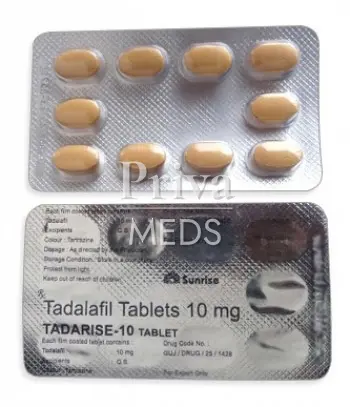
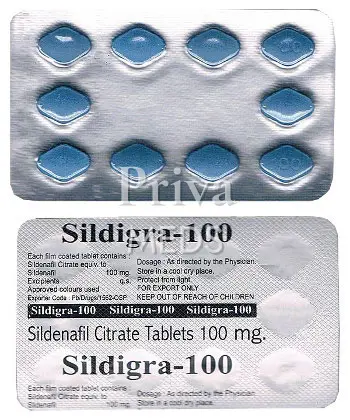
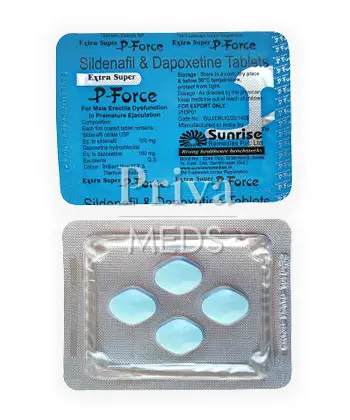
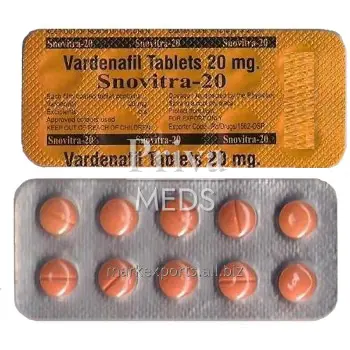
The most common types are phosphodiesterase type 5 (PDE5) inhibitors, which include well-known agents such as sildenafil, tadalafil, vardenafil and avanafil. These are available in a range of formulations and strengths. There are also combination products that pair an erectile dysfunction medicine with an agent aimed at delaying ejaculation, and alternative presentations intended to dissolve quickly or be absorbed sublingually, such as jellies and sprays. Choice of formulation affects how the medication is taken and how quickly it acts.
Users often distinguish between short-acting and longer-acting options. Some agents tend to have a relatively rapid onset and are marketed for use shortly before sexual activity, while others have a longer duration that may allow more spontaneity over many hours. Typical considerations include how fast an effect begins, how long it can last, and whether a given product is intended for occasional use or daily administration. These differences influence convenience and lifestyle fit for individual users.
Safety considerations commonly discussed for this group include typical side effects such as headache, facial flushing, nasal congestion, indigestion and sometimes visual disturbances. More uncommon but serious events reported in the literature include sudden changes in hearing or vision and prolonged erections. These medicines can interact with other drugs that affect cardiovascular function or alter metabolic pathways, and certain underlying health conditions may increase risk. Information about side effects, contraindications and interactions is an important part of product labeling and patient information.
When comparing options, users frequently evaluate onset and duration, expected side effects, formulation preference (tablet, jelly, spray or sublingual), and whether a combined product addresses more than one concern. Availability and regulatory status, the need for a prescription, and the quality and authenticity of the product are also commonly considered. Clear product information about active ingredients and instructions for use helps people make informed choices consistent with their health needs and circumstances.