📞  — free, 24/7
— free, 24/7 — free, 24/7Diuretics are medications that increase urine production to remove excess fluid and salt from the body. Commonly used for hypertension, heart failure, edema, and certain kidney conditions. Types include thiazide, loop, and potassium-sparing diuretics with differing potency.
Diuretics are medications that increase urine production to remove excess fluid and salt from the body. Commonly used for hypertension, heart failure, edema, and certain kidney conditions. Types include thiazide, loop, and potassium-sparing diuretics with differing potency.
Diuretics are a class of medicines that increase the amount of urine the body produces, helping remove excess salt and water. They are often described as "water pills" and work by changing how the kidneys handle sodium and fluids. By reducing fluid volume in the bloodstream and tissues, diuretics can influence circulation and the workload on the heart. Different diuretics act in distinct parts of the kidney and vary in how quickly and strongly they promote urine output.
Common uses for diuretics include treatment of fluid retention (edema) associated with heart failure, liver disease or kidney disorders, and as part of therapy to manage high blood pressure. They are also used in specific situations where reducing fluid buildup is helpful, such as swelling from certain medications or conditions that cause the body to hold extra water. In many treatment plans diuretics are combined with other medicines to achieve better control of blood pressure or symptoms related to fluid overload.
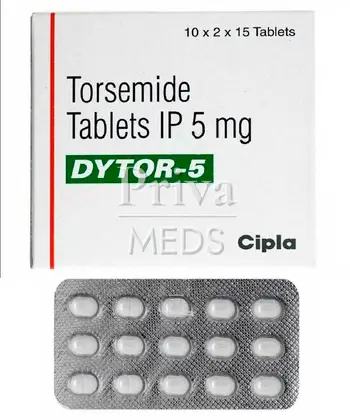
There are several types of diuretics; the main groups are thiazide diuretics, loop diuretics, and potassium-sparing diuretics. Thiazides tend to be used for long-term control of blood pressure and mild fluid retention; examples include hydrochlorothiazide (often found under names such as Esidrix or Microzide) and chlorthalidone (sometimes called Hygroton). Loop diuretics are stronger and used when rapid or marked fluid removal is needed — furosemide (Lasix) and torsemide (Demadex) are typical examples. Potassium-sparing agents, such as spironolactone (Aldactone), reduce sodium excretion while tending to conserve potassium and are used in situations where potassium loss is a concern. Indapamide (Lozol) represents a thiazide-like option with its own dosing profile and effects.
Because diuretics alter fluid and electrolyte balance, they are associated with a set of common effects and potential risks. Increased urination, especially soon after starting treatment, is expected. Electrolyte changes such as low potassium or sodium levels can occur with some diuretics and may lead to muscle cramps, weakness or irregular heartbeat. Loop diuretics in particular can cause more dramatic fluid shifts and require careful monitoring. Other possible effects include dizziness from drops in blood pressure, changes in blood glucose or cholesterol in some people, and impacts on kidney function when used in higher doses or in combination with other medicines.
When people compare diuretic options they typically consider the condition being treated, how quickly the medicine works, how long its effect lasts, and whether it tends to lower or preserve potassium. Frequency of dosing, tolerability of side effects, interactions with other medications, and whether the product is available as a generic or a specific formulation also influence choice. Some diuretics are formulated for once-daily use and are preferred for long-term blood pressure control, while others are reserved for acute settings that require stronger diuresis.
Practical matters often affect selection and use. Many diuretics are prescription medicines and local regulations determine how they are dispensed. Generic versions of several agents are available, which can make the active ingredient more accessible under different product names. Storage is generally straightforward — keep medicines in a cool, dry place unless the product label indicates otherwise. Because diuretics interact with other drugs and with underlying health conditions, medical monitoring such as periodic blood tests is commonly part of treatment plans to ensure safe and effective use.