📞  — free, 24/7
— free, 24/7 — free, 24/7Medications and supplies for managing acute and chronic pain, including over-the-counter analgesics (acetaminophen, NSAIDs), topical creams and patches, cold and heat therapies, and prescription-strength options and accessories for muscle, joint, and nerve pain.
Medications and supplies for managing acute and chronic pain, including over-the-counter analgesics (acetaminophen, NSAIDs), topical creams and patches, cold and heat therapies, and prescription-strength options and accessories for muscle, joint, and nerve pain.
Pain Relief covers a wide range of medicines designed to reduce pain, decrease inflammation, or alter the way pain signals are processed by the body. The category groups products that are used to treat acute discomfort such as headaches or minor injuries, as well as therapies intended for longer-term conditions like arthritis, neuropathic pain, or recurrent migraine. Some items are simple analgesics available without a prescription, while others are specialist medicines provided only on prescription, reflecting differences in how they work and their safety profiles.
Common use cases include short-term relief for fever, headache and musculoskeletal strains, management of inflammatory joint pain, treatment of neuropathic symptoms such as burning or shooting pain, and specific therapies for migraine attacks or urinary discomfort. For example, over-the-counter options are often chosen for everyday aches and fevers, triptan medicines are used in the management of migraine episodes, and certain agents are used as part of ongoing treatment plans for chronic conditions such as back pain or arthritis.
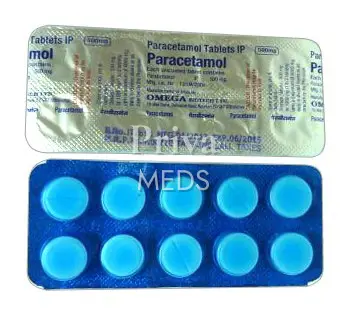
Medications in this group fall into several pharmacological classes. Nonsteroidal anti-inflammatory drugs (NSAIDs) such as ibuprofen, naproxen (naprelan/naprosyn) and diclofenac (Voltaren/Voltarol) reduce inflammation and pain. Acetaminophen (Panadol) is widely used for analgesia and fever reduction. For nerve-related pain, anticonvulsant agents like gabapentin (Neurontin) are common. Muscle relaxants such as baclofen (Lioresal) and tizanidine (Zanaflex) address spasm-related discomfort, while corticosteroids like dexamethasone (Decadron) or methylprednisolone (Medrol) are sometimes used to control inflammatory processes. Migraine-specific triptans include sumatriptan (Imitrex), rizatriptan (Maxalt) and zolmitriptan (Zomig). Other medicines encountered in pain management include urinary analgesics such as phenazopyridine (Pyridium) and adjunctive agents used in conditions like gout.
These medicines are supplied in a variety of formulations to match different needs. Oral tablets and capsules are common, available as immediate-release or sustained-release preparations; examples from this category include prolonged-action formulations such as Voltaren SR and Voveran SR. Topical gels and creams offer localized anti-inflammatory effects with products related to diclofenac marketed in topical form. Injectable preparations and short courses of oral corticosteroids are used in certain acute or specialist settings. Availability ranges from over-the-counter packs for low-dose ibuprofen or paracetamol to prescription-only strengths and specialist agents reserved for physician oversight.
Safety and tolerability vary substantially across the category. NSAIDs can be associated with gastrointestinal, renal and cardiovascular risks that are dose- and duration-dependent, while acetaminophen has recognized limits related to liver metabolism at higher doses. Neuropathic agents and muscle relaxants commonly cause central nervous system effects such as drowsiness or dizziness. Corticosteroids have time- and dose-related effects on metabolism and immune response. Many items have interaction profiles or contraindications that affect their suitability for particular individuals, and licensed product information and labeling outline these considerations.
When choosing a pain-relief product, consumers typically weigh the type of pain to be treated, the speed of onset and expected duration of effect, the preferred route of administration, and tolerability concerns such as side-effect risks and potential interactions with other medicines. Practical factors such as whether a medicine is available without a prescription or requires a prescription, formulation preferences (oral versus topical), and information provided on product labels are also important. Clear product labeling and authoritative prescribing information provide details on indications, dosing ranges and safety considerations to help users and carers make informed choices.