📞  — free, 24/7
— free, 24/7 — free, 24/7Frequently purchased pharmacy items selected from products with high sales and repeat purchases. The selection highlights commonly used over-the-counter medicines, vitamins, personal care products and everyday health essentials chosen for consistent demand and reliability.
Frequently purchased pharmacy items selected from products with high sales and repeat purchases. The selection highlights commonly used over-the-counter medicines, vitamins, personal care products and everyday health essentials chosen for consistent demand and reliability.
Best Sellers groups widely requested prescription and specialist medicines that meet common health needs across a broad customer base. This collection highlights products with steady demand for conditions people frequently treat, such as sexual performance issues, hair loss, fluid retention, and related circulatory or urological concerns. Items here tend to be recognizable names and active ingredients that many consumers encounter when researching treatments for these everyday medical matters.
Typical use cases represented among best sellers include the management of erectile dysfunction, treatments aimed at delaying ejaculation, therapies prescribed for male-pattern hair thinning, and medications used to reduce excess fluid or control blood pressure in certain settings. Examples often seen in this context are drugs formulated to improve blood flow to erectile tissue, agents designed for short-term control of ejaculatory timing, oral treatments that alter hormone pathways affecting hair follicles, and diuretics that increase urine output to relieve swelling.
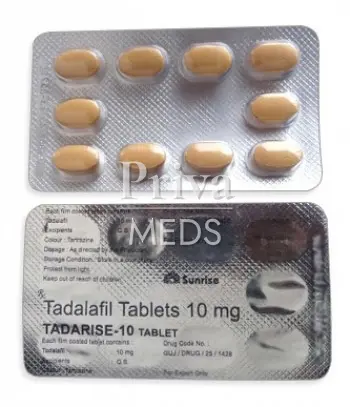
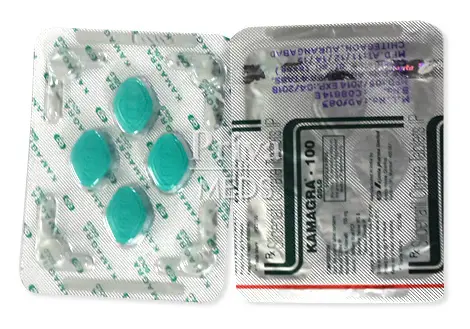
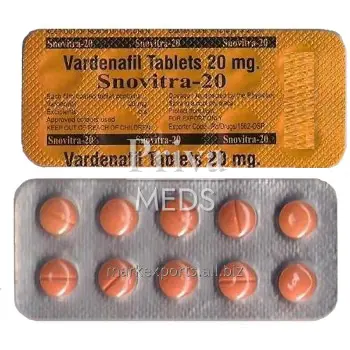
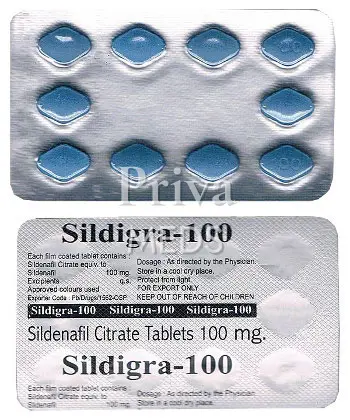
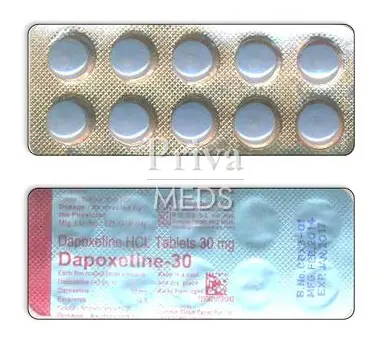
The category contains a mix of pharmacological classes: phosphodiesterase type 5 (PDE5) inhibitors such as sildenafil, tadalafil and vardenafil; short-acting selective serotonin reuptake inhibitors like dapoxetine; 5-alpha-reductase inhibitors exemplified by finasteride; and loop diuretics such as furosemide. Descriptions on product pages typically explain the active ingredient and the basic way it affects the body—for example, by improving blood flow, modifying hormone action, or promoting fluid removal—without going into specialized clinical detail.
Safety characteristics vary between these medicines and are a core consideration. Commonly reported effects include headaches, flushing, gastrointestinal symptoms, dizziness or changes in blood pressure for some vasodilatory agents, while diuretics can affect electrolyte balance. Certain combinations may pose risks; for instance, some vasodilators should not be taken alongside nitrate medications due to well-documented interactions, and some drugs are metabolized by liver enzymes that other medicines can inhibit or induce. Some treatments have known longer-term effects on sexual function or other systems. Regulatory status also differs by country, and many of the medicines listed are typically dispensed only with a prescription.
When evaluating options within a best-seller list, consumers commonly look at how quickly the medicine begins to work, how long its effects last, the dosing schedule, and the frequency or severity of side effects reported. Other frequently considered factors include whether the product is a generic or branded formulation, available dosages and pill forms, evidence of regulatory approval, authenticity markers on packaging, and the availability of informational leaflets that summarize indications and precautions.
Product pages and category descriptions generally provide key factual elements to assist comparison: the active ingredient and strength, intended use, known common adverse effects, contraindications noted by regulators, and whether a prescription is normally required. User ratings and reviews may appear but are subjective and reflect individual experiences. For many shoppers the combination of clear ingredient information, documented safety points and transparent regulatory status is the primary basis for understanding what makes a medicine a best seller in this context.