📞  — free, 24/7
— free, 24/7 — free, 24/7Medications and supportive products for managing gout: treatments for acute attacks (anti-inflammatories, colchicine), long-term urate-lowering therapies (allopurinol, febuxostat, probenecid), pain relief, and joint-care aids. Information on dosing and interactions may be provided.
Medications and supportive products for managing gout: treatments for acute attacks (anti-inflammatories, colchicine), long-term urate-lowering therapies (allopurinol, febuxostat, probenecid), pain relief, and joint-care aids. Information on dosing and interactions may be provided.
Medications for gout are aimed at treating the painful inflammatory episodes known as gout flares and at managing underlying high levels of uric acid in the body. These medicines fall into two broad practical roles: those used to provide rapid relief from acute joint pain and swelling, and those used over weeks to years to lower uric acid and reduce the frequency of future attacks. Understanding these roles helps people recognize why one medicine might be recommended during a flare while a different agent is chosen for long-term control.
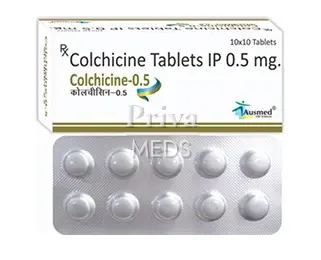
Acute therapies reduce inflammation and pain during sudden gout attacks. Nonsteroidal anti-inflammatory drugs (NSAIDs) and certain anti-inflammatory agents are commonly used for short-term symptom control because they act quickly to reduce joint swelling and discomfort. Colchicine, a long-established option that can be used in acute flares and sometimes in low doses for prevention, targets the inflammatory process specific to gout. Corticosteroids are another class sometimes used when other options are unsuitable.
Long-term management focuses on lowering serum uric acid to prevent crystal formation and recurrent attacks. Xanthine oxidase inhibitors are the mainstay of chronic urate-lowering therapy; allopurinol is the most widely used example and is marketed under names such as Zyloprim in some regions. Uricosuric agents, which increase the kidney’s excretion of uric acid, include probenecid (often known by its trade name Benemid) and are another approach for selected patients. These medicines have different mechanisms and are chosen based on a patient’s overall health profile and kidney function.
Safety considerations are an important aspect of this category because several gout medicines have characteristic side effects and interaction profiles. Gastrointestinal upset is a noted issue with colchicine; allergic reactions or skin rashes have been reported with allopurinol; and uricosurics can affect kidney handling of uric acid. Renal and hepatic function, concurrent medications, and the presence of certain medical conditions influence how these drugs are used. Laboratory monitoring of serum uric acid and organ function is often part of managing long-term therapy.
When deciding among options, consumers typically weigh how quickly a medicine relieves symptoms, whether it is intended for intermittent use or daily prevention, dosing convenience, and potential interactions with other prescriptions. Formulation and dose strength variety—single tablets, low-dose regimens for chronic mitigation, or short-course packs for flares—also affect choice. Availability of generic versus brand-name formulations, and whether a prescription is required, are practical considerations that influence selection.
People using gout medications frequently look for clear information about what to expect from treatment, possible side effects, how therapies differ in purpose and action, and what monitoring might accompany long-term use. Descriptions of commonly used agents such as allopurinol/Zyloprim for urate lowering, colchicine/Colcrys for anti-inflammatory control of flares, and probenecid/Benemid as a uricosuric option help set expectations. Product information leaflets, dosage strength options, and notes on typical monitoring approaches support informed decisions without replacing personalized clinical assessment.