📞  — free, 24/7
— free, 24/7 — free, 24/7Products and treatments for hair thinning and hair loss, including topical and oral medications, shampoos, conditioners, scalp treatments, serums, supplements and supportive devices. Information on uses, active ingredients, side effects and application guidance.
Products and treatments for hair thinning and hair loss, including topical and oral medications, shampoos, conditioners, scalp treatments, serums, supplements and supportive devices. Information on uses, active ingredients, side effects and application guidance.
Products in the Hair Loss category cover medications and topical treatments designed to slow hair thinning, reduce progressive hair loss, and in some cases stimulate partial regrowth. This range includes prescription and over‑the‑counter formulations used for common forms of hair thinning, especially pattern hair loss. Visitors will find treatments intended for different ages and both sexes, though specific suitability can vary by product and regulatory approval in different countries.
Many people look to these medicines for concerns such as male or female pattern hair loss, age‑related diffuse thinning, or to stabilize shedding that has progressed over months to years. Use cases commonly focus on maintaining existing hair and attempting modest regrowth in areas where follicles remain active. Expectations are generally tempered: some treatments can slow or partially reverse thinning for some users, while others may primarily help preserve the hair that remains.
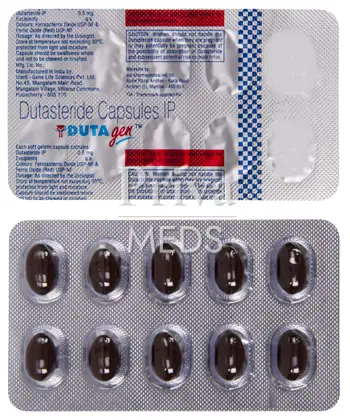
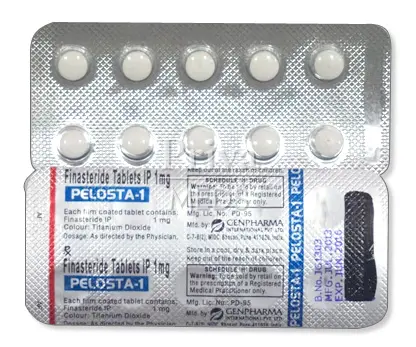
Two broad types of medicines are typical in this category. Oral agents that affect hormonal pathways implicated in pattern hair loss are represented by finasteride formulations like Propecia and Proscar and their generics such as Fincar and Finpecia, as well as dutasteride products often known as Avodart or Dutas. Topical vasodilator treatments such as minoxidil are available in solutions or foams and commonly appear under names like Rogaine. A variety of generics and regional brands, for example Penisole, are also offered in different markets. Some offerings combine active ingredients with supportive shampoos or adjunctive topical compounds aimed at scalp health.
How these medicines are commonly used varies by formulation. Topical solutions or foams are typically applied to the scalp on a regular schedule, while oral options are administered systemically and usually taken once daily in the regimens studied in clinical trials. Noticeable changes, when they occur, commonly take several months to appear and assessments of effectiveness are usually made over a period of three to twelve months. Combination approaches — for example, a topical product together with an oral agent — are sometimes chosen to target different aspects of hair thinning.
General safety considerations are an important part of selecting a hair loss treatment. Side effects can range from local scalp irritation with topical products to systemic effects with oral agents. Some medicines carry specific warnings about use in women who are pregnant or may become pregnant, and product leaflets commonly list possible sexual side effects, allergic reactions, or other untoward effects. Regulatory status differs by region, so some items may require a prescription while others are available over the counter; product labeling and approval information give details about known risks and contraindications.
When comparing options, users often weigh factors such as demonstrated efficacy in clinical studies, onset and durability of results, route of administration (oral versus topical), side‑effect profile, and ease of ongoing use. Other considerations include whether a product is available as a prescription or OTC, manufacturer or generic status, and how the treatment fits into an individual’s lifestyle and long‑term plans. Clear information about active ingredients, typical patterns of use, and documented safety information helps consumers make informed choices consistent with personal preferences and local regulations.