📞  — free, 24/7
— free, 24/7 — free, 24/7| Package | Price per Dose | Price | |
|---|---|---|---|
| 180 pills | $1.89 | $399.16 $339.29 Free shipping | |
| 120 pills | $2.09 | $295.16 $250.89 Free shipping | |
| 90 pills | $2.21 | $233.98 $198.89 | |
| 60 pills | $2.37 | $166.69 $141.69 | |
| 30 pills | $2.60 | $91.75 $77.99 | |
| 10 pills | $3.12 | $36.69 $31.19 | |
| 180 pills | $2.77 | $585.75 $497.89 Free shipping | |
| 120 pills | $2.80 | $394.57 $335.39 Free shipping | |
| 90 pills | $2.94 | $310.46 $263.89 Free shipping | |
| 60 pills | $3.48 | $246.22 $209.29 Free shipping | |
| 30 pills | $3.64 | $128.46 $109.19 | |
| 10 pills | $4.16 | $48.93 $41.59 | |
| 180 pills | $1.78 | $377.75 $321.09 Free shipping | |
| 120 pills | $1.98 | $278.34 $236.59 Free shipping | |
| 90 pills | $2.20 | $232.46 $197.59 | |
| 60 pills | $2.44 | $172.81 $146.89 | |
| 30 pills | $2.73 | $96.34 $81.89 | |
| 20 pills | $3.67 | $85.63 $72.79 | |
| 10 pills | $3.91 | $45.87 $38.99 | |
| 180 pills | $3.54 | $747.87 $635.69 Free shipping | |
| 120 pills | $3.72 | $524.57 $445.89 Free shipping | |
| 90 pills | $4.13 | $437.40 $371.79 Free shipping | |
| 60 pills | $4.37 | $308.93 $262.59 Free shipping | |
| 30 pills | $5.40 | $191.16 $162.49 | |
| 10 pills | $5.85 | $68.81 $58.49 |
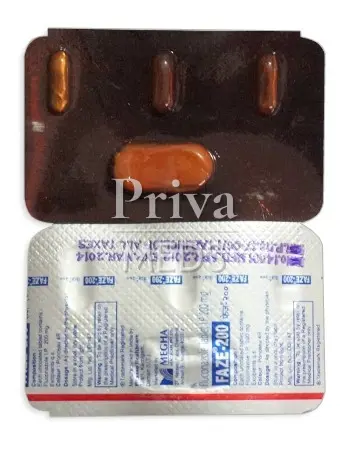
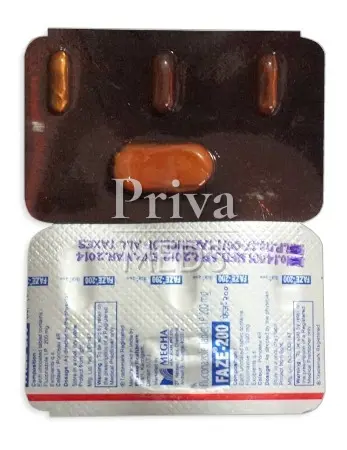
Fluconazole is a triazole antifungal medication used to treat fungal and yeast infections throughout the body. It is usually taken by mouth as tablets or oral suspension, and it may be prescribed for adults and children depending on the infection. Fluconazole acts systemically, circulating in the bloodstream to reach sites such as the urinary tract, skin, mouth, throat, and brain. It works by blocking a fungal enzyme needed to make ergosterol, a key component of fungal cell membranes. Without enough ergosterol, fungal cells fail to grow and spread. The length of treatment depends on the infection type, severity, and the patient’s kidney function, and a clinician sets the plan. Some infections may require longer courses or higher doses, especially in immunocompromised individuals. The medicine is formulated in tablets or a palatable suspension to suit different ages and needs.
Common uses include vaginal candidiasis, oral thrush, and esophageal candidiasis. It is also used for cryptococcal meningitis and disseminated candidiasis, particularly in people with weakened immune systems. In some cases, fluconazole is given to prevent relapse after cure, or to treat invasive infections in transplant recipients. Pediatric dosing is guided by weight and age, and treatment plans vary with infection site and severity. In all cases, a clinician reviews medical history, current medications, and organ function before confirming fluconazole therapy. While effective for many fungal infections, fluconazole is not active against all fungi, so a precise diagnosis helps ensure appropriate use.
Dosing varies by infection, age, and kidney function. For uncomplicated vaginal yeast infections, a single 150 mg dose is common. For other infections, regimens may range from 200 mg to 400 mg daily for several days or weeks. In kidney impairment, the dose may be reduced and the duration adjusted. Fluconazole is well absorbed from the gut and has a long half-life, allowing once-daily dosing in most scenarios. It can interact with several medicines, including anticoagulants, antidiabetic drugs, certain anticonvulsants, and some antibiotics, so a clinician should review all medicines before starting therapy. Do not stop early without advice, and report any unexpected symptoms promptly. Regular liver function tests may be advised during longer courses to catch rare adverse effects early.
Most people tolerate fluconazole well, but side effects can occur. Common side effects include nausea, stomach pain, headache, and skin rash. More serious risks include liver injury and rare, but potentially life-threatening, allergic reactions or heart rhythm changes, particularly if taken with other medicines that prolong the QT interval. If you notice yellowing of the skin or eyes, dark urine, persistent vomiting, swelling, confusion, or trouble breathing, seek urgent care. Do not use in severe liver disease or during pregnancy unless advised by a clinician. Fluconazole can interact with warfarin, certain antidiabetic drugs, and some anticonvulsants, so avoid starting or stopping medicines without professional guidance. Careful monitoring is advised for long courses or high doses, and patients should disclose all medicines and supplements to reduce the risk of interactions.
For privacy-minded patients, this pharmacy supports anonymous purchase with Bitcoin, Monero, USDT and other cryptocurrencies. Checkout can often be completed without ID, and orders ship discreetly to many countries. The package is labeled in a neutral way and handled with privacy and security in mind, with tracking provided where allowed. The medication remains the same, but the purchasing process emphasizes private, crypto-friendly payments and discreet worldwide delivery. Privacy features are designed to complement clinical care, ensuring the medicine reaches patients safely while protecting personal information.
14–21 days. Free from $200.00 .
5–9 days. $30.00
−10% when paying with cryptocurrency.
−10% on all repeat orders.
All orders are packed in neutral, unbranded boxes with no product name on the outside.