📞  — free, 24/7
— free, 24/7 — free, 24/7Medications and supplies for heart and circulatory health, including blood pressure and cholesterol treatments, anticoagulants, antiarrhythmics, heart-failure therapies, angina relief, and monitoring devices and accessories for at-home cardiovascular care.
Medications and supplies for heart and circulatory health, including blood pressure and cholesterol treatments, anticoagulants, antiarrhythmics, heart-failure therapies, angina relief, and monitoring devices and accessories for at-home cardiovascular care.
Cardiovascular medicines are drugs used to affect the function of the heart and blood vessels. They address a wide range of conditions including high blood pressure, irregular heart rhythms, reduced heart pumping function, chest pain from reduced blood flow, and disorders of blood clotting. By acting on different targets such as heart rate, vascular tone, blood volume and clotting mechanisms, these medicines help manage symptoms, reduce risk of complications and support long‑term heart health.
Common uses for cardiovascular medicines include controlling blood pressure to reduce strain on the heart and arteries, treating heart failure to help the heart pump more effectively, stabilizing arrhythmias to maintain a steady heartbeat, relieving angina to lessen chest pain, and preventing stroke or heart attack by reducing clot formation. Some agents are used acutely in hospitals, while many are prescribed for chronic, daily use to prevent recurrent events or progression of disease.
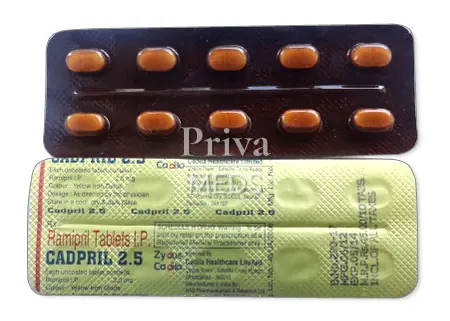
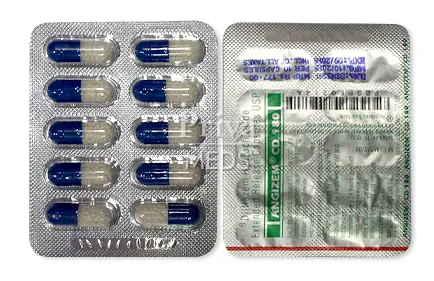
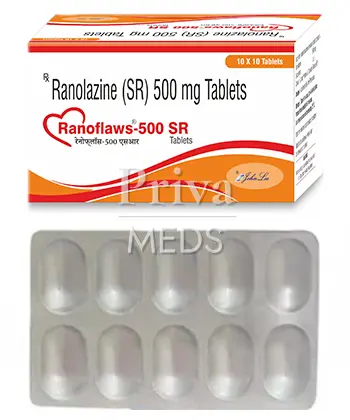
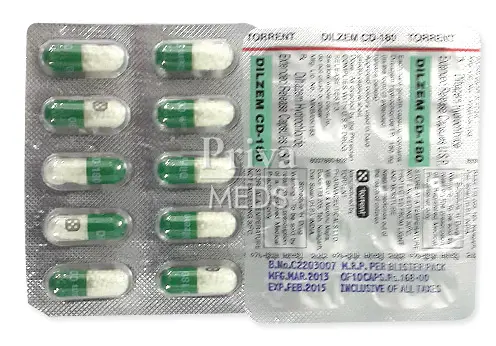
Within this category you will find several broad classes of drugs. ACE inhibitors and ARBs such as lisinopril or ramipril (Altace) and telmisartan (Micardis) are often used for blood pressure and heart failure; calcium channel blockers like diltiazem (Cardizem, Cartia XT) affect vascular tone and heart rate; antiarrhythmics such as amiodarone (Cordarone, Cardarone) treat rhythm disturbances; anticoagulants and antiplatelet agents such as warfarin (Coumadin) and clopidogrel (Plavix) reduce clotting risk; digitalis glycosides like digoxin (Lanoxin) influence heart contractility; and other specialist agents such as ranolazine (Ranexa), cilostazol (Pletal) or tolvaptan (Samsca) are used for specific symptoms or conditions.
Safety and monitoring are important aspects of cardiovascular therapy. Many medicines in this group can interact with other drugs, affect kidney function, alter electrolyte balance, or require blood tests to check effectiveness and safety — for example, monitoring clotting times with anticoagulants. Side effects can range from dizziness and low blood pressure to changes in heart rhythm and metabolic effects. Information leaflets and professional guidance explain the expected effects and potential risks for each medicine.
When selecting a medication people commonly consider how well it treats the target condition, potential side effects, how it interacts with other prescriptions or supplements, dosing frequency and formulation, and any monitoring that might be required. Some users prioritize once‑daily dosing or extended‑release formulations for convenience, while others focus on the availability of generics or specific combinations of active ingredients that address multiple issues simultaneously.
Many cardiovascular medicines are intended for long‑term management, so adherence, regular review and clear understanding of treatment goals matter for effectiveness. Patients and caregivers often look for clear information on administration, storage, and what to expect from therapy, as well as details that help coordinate care with prescribers and pharmacists. Recognizing the names and purposes of commonly used agents — such as lisinopril, amiodarone, diltiazem, warfarin, clopidogrel and digoxin — can make it easier to find appropriate options and to discuss therapy with health professionals.