📞  — free, 24/7
— free, 24/7 — free, 24/7Products for preventing and treating asthma symptoms: inhalers (reliever and controller), nebulizer solutions, spacers, peak flow meters, allergy treatments, and oral medications. Includes pediatric and adult formulations, dosing tools, and accessories to manage breathing and monitor control.
Products for preventing and treating asthma symptoms: inhalers (reliever and controller), nebulizer solutions, spacers, peak flow meters, allergy treatments, and oral medications. Includes pediatric and adult formulations, dosing tools, and accessories to manage breathing and monitor control.
Asthma is a common long-term respiratory condition characterized by variable narrowing and inflammation of the airways. The "Asthma" category covers medicines and devices that help open the airways, reduce airway inflammation, prevent flare-ups and manage related symptoms such as wheeze, breathlessness, chest tightness and cough. Products in this area include quick-relief inhalers, regular controller medications, oral tablets and topical nasal sprays used when upper airway allergy contributes to symptoms.
People use these medicines for different purposes: immediate symptom relief during an episode, regular maintenance to reduce airway inflammation and prevent attacks, and adjunctive treatment for overlapping conditions such as allergic rhinitis or chronic obstructive airway disease where therapies may overlap. Some products are intended for short courses during flares, while others are designed for daily use to maintain control over weeks to months. Device type and formulation often influence how and when a medicine is taken.
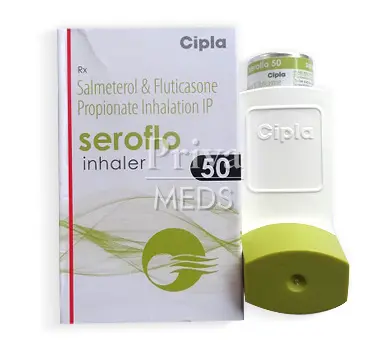
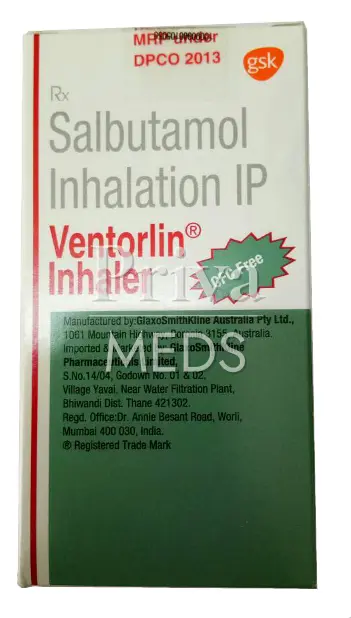
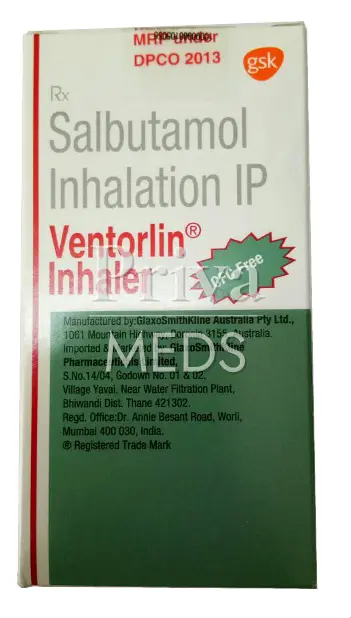
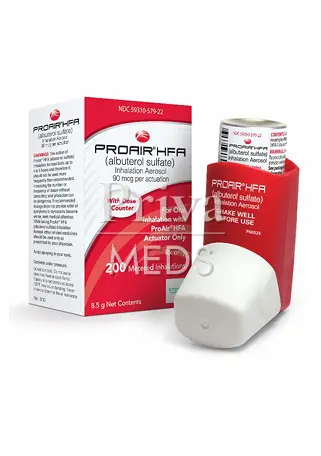
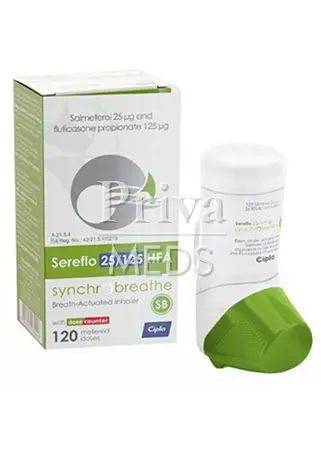
The range of drug types includes short-acting bronchodilators (often called "rescue" inhalers) and long-acting bronchodilators, inhaled corticosteroids that reduce airway inflammation, combination inhalers that pair an inhaled steroid with a long-acting bronchodilator, anticholinergic agents, leukotriene receptor antagonists in tablet form, oral methylxanthines and newer oral or inhaled agents. Examples commonly encountered by consumers include inhaled salbutamol/albuterol formulations such as Ventolin, metered-dose and dry-powder combination inhalers like Advair and Symbicort, inhaled corticosteroid products such as Pulmicort or budesonide preparations, anticholinergic inhalers like Spiriva, leukotriene tablets such as Singulair, and oral theophylline preparations like Theo-24. Nasal corticosteroids used for nasal symptoms, for example Rhinocort, are also grouped with respiratory therapies in many listings.
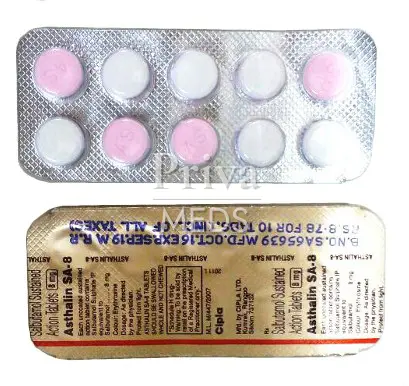
Formulation and device play a big role in how these medicines are used. Metered-dose inhalers, breath-actuated dry-powder devices, preloaded disk or capsule systems (Diskus, Rotahaler/Rotacap) and nebulizer solutions are common delivery methods; tablets and extended‑release oral formulations are used when inhaled therapy is unsuitable or as add-on treatment. Some combination products are supplied as inhaled powders, others as pressurized aerosols, and availability of pediatric or spacer-compatible options may influence selection. For many users, correct technique with the chosen device is as important as the active ingredient for achieving expected effects.
Safety considerations relevant to this category include potential side effects that vary by class — for example local effects with inhaled steroids, cardiovascular effects with some bronchodilators, or interactions with other medicines for systemic agents. Many treatments are available only on prescription, and product information leaflets describe contraindications and common adverse effects. Storage stability of inhalers and expiry dates, appropriate labeling for pediatric use, and recognition of generics versus brand-name presentations are practical safety points consumers often check.
When choosing an asthma medicine or device, users typically look at speed of onset, duration of effect, route and ease of administration, presence or absence of corticosteroids, combined versus single-agent formulations, and compatibility with spacers or nebulizers. Availability in pediatric strengths, once-daily versus multiple-daily dosing, and whether a product is licensed for concurrent respiratory conditions also factor into decisions. Information on device type, active ingredients and formulation helps customers compare options and decide which products best match their routine and symptom pattern.