📞  — free, 24/7
— free, 24/7 — free, 24/7Products for maintaining and supporting urinary tract and bladder health, including UTI symptom relief and prevention, bladder support supplements, D-mannose and cranberry formulations, urinary pH and probiotic products, incontinence supplies and home testing options.
Products for maintaining and supporting urinary tract and bladder health, including UTI symptom relief and prevention, bladder support supplements, D-mannose and cranberry formulations, urinary pH and probiotic products, incontinence supplies and home testing options.
Urinary Health covers medicines and related products that help manage symptoms originating in the lower urinary tract, including bladder control, urinary flow and bladder muscle activity. This category focuses on treatments for common conditions such as overactive bladder, urge and stress incontinence, benign prostatic enlargement causing obstructive urinary symptoms, and bladder spasms. It does not emphasize antibiotics for infections, which are typically grouped separately, but rather the agents used to modify bladder behavior and ease passage of urine.
Many people use these medications to reduce urgency, frequency, accidental leakage or difficulty emptying the bladder. For overactive bladder symptoms, antimuscarinic drugs and newer selective agents are commonly prescribed to calm involuntary bladder contractions and increase the bladder’s storage capacity. For men with prostate-related urinary obstruction, alpha‑adrenergic blockers relax smooth muscle in the prostate and bladder neck to improve urine flow. Some products also provide symptomatic relief for bladder spasms that can follow procedures or irritation.
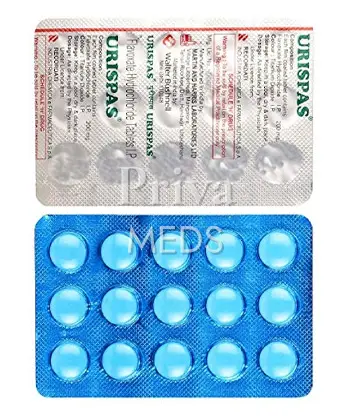
Types of medicines in this group include antimuscarinics and antispasmodics such as oxybutynin (often sold as Ditropan), tolterodine formulations including Detrol and Detrol LA, and flavoxate (Uripas) that reduce bladder muscle overactivity. Newer selective agents like solifenacin (Vesicare) offer alternative choices, while transdermal options such as Oxytrol provide a patch-based delivery for people who prefer non-oral dosing. For urinary outflow obstruction, alpha-blockers such as tamsulosin (Flomax), alfuzosin (Uroxatral) and older agents like terazosin and doxazosin (Hytrin, Minipress) are typical examples used to improve urinary stream and relieve related symptoms.
General safety considerations focus on possible side effects, drug interactions and suitability for different patient groups. Antimuscarinic medicines can cause dry mouth, constipation, blurred vision, dizziness and in some cases difficulty emptying the bladder; they may be less appropriate for people with certain eye conditions or severe urinary retention. Alpha-blockers can cause low blood pressure or dizziness when standing. All agents can interact with other medications or may require dose adjustments in liver or kidney impairment. Careful reading of product information and awareness of common adverse effects helps users understand tolerability, without substituting for professional evaluation.
When choosing products from this category, users commonly consider whether a medicine requires a prescription, the delivery form (tablet, long‑acting capsule, or transdermal patch), how quickly it works, and the expected side effect profile. Other factors include whether a generic option is available, dosing frequency, and specific symptom targets such as urgency versus weak stream. People often weigh convenience and tolerability alongside their existing medications and health conditions to find the most suitable approach for managing urinary symptoms.