📞  — free, 24/7
— free, 24/7 — free, 24/7Products for daily face and body care to cleanse, hydrate, protect and treat common skin concerns. Includes cleansers, moisturizers, sunscreens, serums, acne and anti-age treatments, masks and specialty items formulated for sensitive, oily, dry or combination skin.
Products for daily face and body care to cleanse, hydrate, protect and treat common skin concerns. Includes cleansers, moisturizers, sunscreens, serums, acne and anti-age treatments, masks and specialty items formulated for sensitive, oily, dry or combination skin.
Skincare medications comprise a range of topical and systemic products formulated to treat conditions that affect the skin, hair and nails. This category includes preparations applied directly to the skin such as creams, gels and ointments, as well as oral medicines and light-activated therapies used when topical treatment is insufficient. Items in this group address both short-term problems like infections and infestations and longer-term inflammatory or structural issues such as acne, eczema and psoriasis.
Common use cases include clearing or controlling acne, calming inflammatory rashes, reducing redness and scaling in chronic conditions, treating fungal or parasitic infections, removing or reducing unwanted skin growths, and modifying pigmentation or hair growth. For example, prescription retinoids and topical antibiotics are frequently used for acne, calcineurin inhibitors and topical corticosteroids are used for inflammatory dermatoses, and topical antifungals or oral agents treat fungal infections. Some therapies such as 5‑fluorouracil are used for precancerous or sun‑damaged skin.
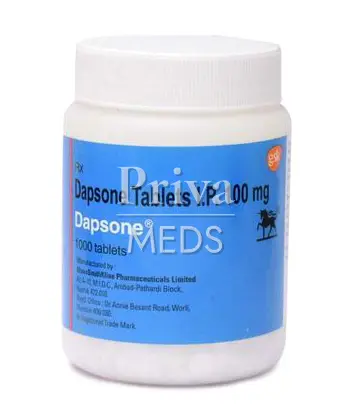
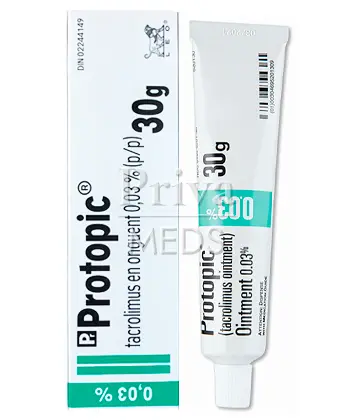
The category covers several pharmacological classes. Retinoids such as tretinoin (often known as Retin‑A), adapalene (Differin) and tazarotene (Tazorac) regulate skin cell turnover and are common for acne and photoaging; topical corticosteroids like betamethasone (Betnovate) and clobetasol (Temovate) reduce inflammation; dapsone (Aczone) and other antibacterials address inflammatory acne; and antifungals and antimicrobials appear in both topical and oral forms for infections. Other examples include immunomodulators like tacrolimus (Protopic), topical agents for hair reduction such as eflornithine (Vaniqa), and agents for wart or lesion treatment such as podophyllotoxin preparations or imiquimod equivalents.
Safety and suitable use vary significantly between products. Many topicals can cause local irritation, dryness or increased sensitivity to sunlight, while systemic dermatologic medications may carry risks that require monitoring, such as blood tests or specific lifestyle restrictions. Some agents are restricted during pregnancy or for people with certain medical histories, and potency, application frequency and formulation (cream versus gel, occlusive versus non‑occlusive) affect tolerability and effectiveness. Product labels, regulatory status and prescribing information provide the official details on contraindications and precautions.
When choosing a skin medication, consumers typically focus on the condition being treated, the active ingredient and its documented outcomes, whether a product is available over the counter or only by prescription, and the formulation that best fits their skin type and routine. People also consider onset of action, potential side effects such as irritation or photosensitivity, and whether a product is intended for short‑term flare control or long‑term maintenance. For many conditions, combinations of approaches (topical plus systemic, or paired with skin care routines) are commonly used.
Product information in this category commonly lists the active ingredient, recommended application instructions, strength, and whether laboratory monitoring or special precautions apply. Users often compare active ingredients and formulation types to match a therapy to their needs, looking at factors such as ease of application, risk of local versus systemic effects, and regulatory requirements for supply. Labels and official prescribing materials provide authoritative guidance on indications, dosing and safety considerations for each medication.