📞  — free, 24/7
— free, 24/7 — free, 24/7Hormonal and barrier birth-control products and supplies, including oral contraceptives, patches, rings, injectables, implants, intrauterine devices, condoms, diaphragms, spermicides and emergency contraception, plus related applicators and protection accessories.
Hormonal and barrier birth-control products and supplies, including oral contraceptives, patches, rings, injectables, implants, intrauterine devices, condoms, diaphragms, spermicides and emergency contraception, plus related applicators and protection accessories.
Contraceptives are medications and related hormonal products used primarily to prevent pregnancy. In an online pharmacy context this category covers preparations taken or applied to alter fertility temporarily, including oral tablets, single‑use emergency doses and some hormone‑releasing devices and injectables. The focus is on pharmaceutical options that affect the menstrual cycle or ovulation rather than surgical methods, and descriptions typically note how each product is intended to work and how it is administered.
People use contraceptive medicines for several reasons beyond pregnancy prevention. Many choose them to reliably space or postpone pregnancies, others use hormonal options to regulate menstrual cycles, reduce heavy bleeding or relieve painful periods, and some combined products are also prescribed for acne or other hormone‑related skin conditions. Emergency contraceptives are taken after unprotected sex to reduce the risk of pregnancy when regular contraception has failed or was not used.
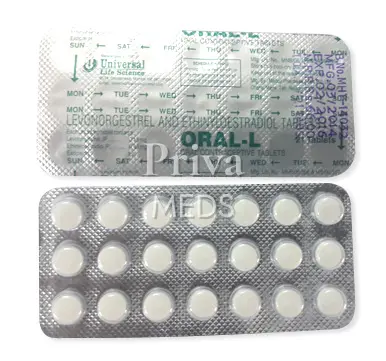
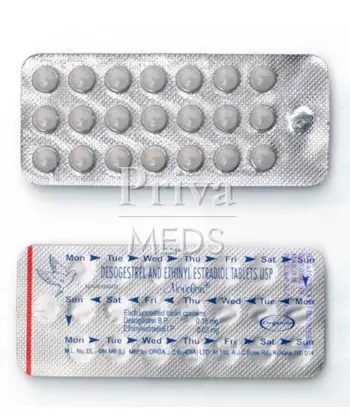
The category commonly contains different classes of hormonal products. Combined oral contraceptives (containing an oestrogen plus a progestin) are well represented by familiar names such as Alesse, Yasmin, Desogen, Levlen and Mircette, while progestogen‑only pills and the so‑called "mini‑pills" are alternatives for people who cannot or prefer not to use oestrogen. Emergency levonorgestrel tablets (often referred to as Plan B) are a single‑use option found here. Some medicines that appear in related listings, for example Duphaston (dydrogesterone), are progesterone derivatives used for cycle support or menstrual disorders rather than for contraception itself, and combined products such as Diane 35 have both contraceptive and anti‑androgenic indications in certain regions.
Safety and tolerability vary between products and between people. Common hormonal effects can include changes in bleeding patterns, breast tenderness, headaches or mood changes; some methods may improve symptoms such as heavy or painful periods. Higher‑estrogen combinations are generally associated with a small increased risk of blood clots in certain groups, for example older individuals and smokers, and interactions with other medicines can affect contraceptive effectiveness. Product leaflets and professional advice give details about contraindications and precautions, and regulatory requirements, such as whether a prescription is needed, differ by jurisdiction.
When choosing a contraceptive product, users commonly consider effectiveness, how the medicine is taken (daily pill, single emergency dose, injection or implant), side effect profile, and any additional benefits like acne improvement or reduced menstrual bleeding. Practicalities such as whether a prescription is required, suitability during breastfeeding, plans for future pregnancy, and the need to coordinate with other medicines are also important. Many people weigh ease of use and how forgiving a method is to missed doses when selecting an option that fits their lifestyle.
Practical information included with products typically covers dosage form and timing, storage and expiry, and what to expect in terms of menstrual changes. Adherence is an important factor for daily methods, whereas long‑acting options or emergency products have different usage patterns. Pharmacists and prescribers can help explain differences between available options and point to the official product information; reading the manufacturer leaflet and discussing personal circumstances with a healthcare professional are standard steps when considering any contraceptive medicine.